FDA Approves Hydrogel Spacer to Curb Scarring After Uterine Adhesion Surgery
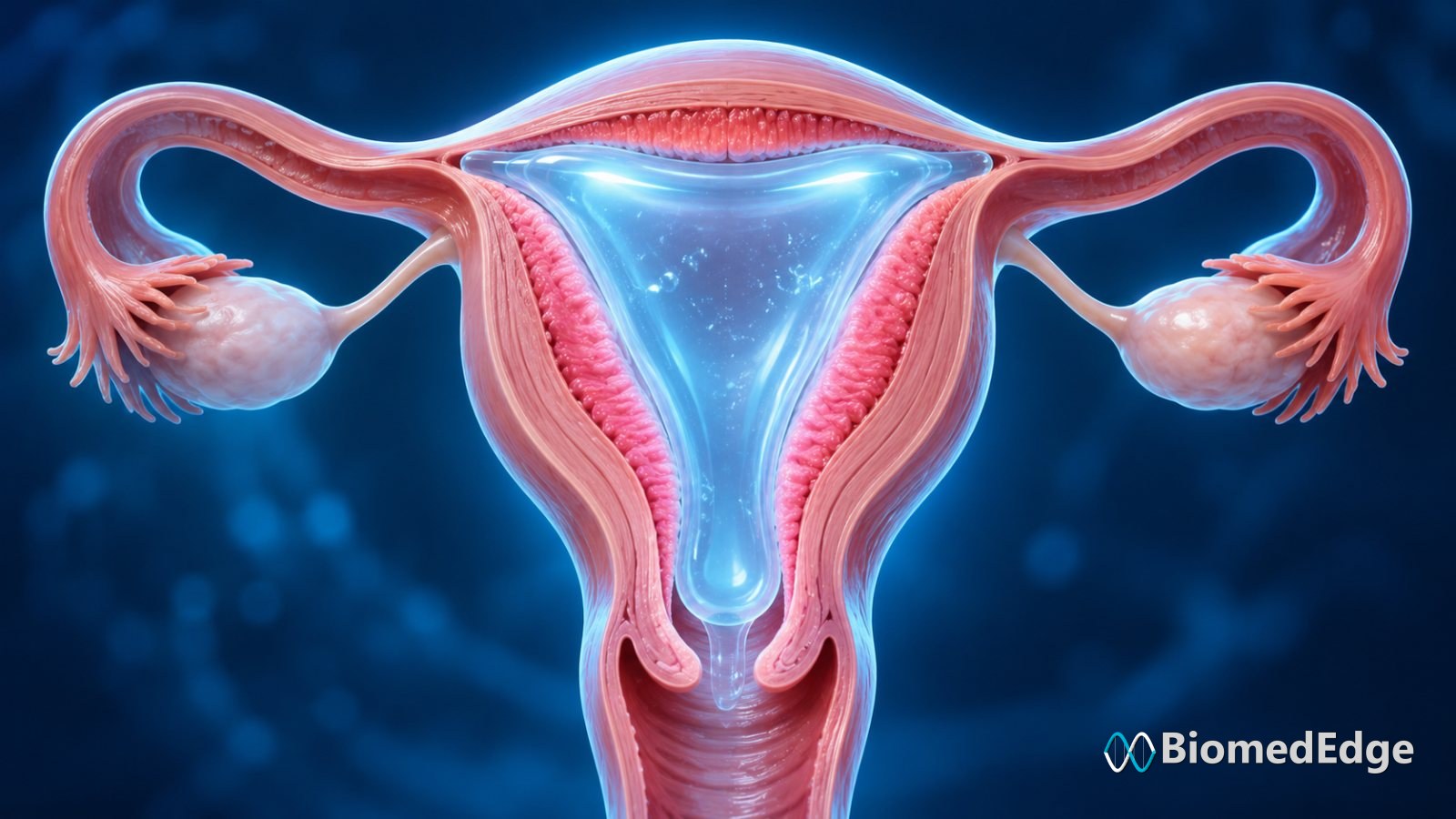
Juveena, a gel that sets inside the uterus and clears in two to three weeks, cut adhesion recurrence in a blinded trial. Key figures come from a subgroup and await publication.
The US Food and Drug Administration has approved the Juveena Hydrogel System, a liquid that sets inside the uterus after surgery and holds its walls apart while the lining heals. The decision, a premarket approval (PMA P250051) dated 28 September 2026, covers adult women who have had hysteroscopic surgery to cut away symptomatic moderate to severe intrauterine adhesions. The aim is to reduce how often the scar tissue grows back, and how severe it is when it does.
The developer, Rejoni, a privately held company in Bedford, Massachusetts, announced the approval the following day. It plans a limited release at US centres that specialise in hysteroscopic surgery and reproductive medicine before a wider rollout. The approval rests on a randomised, blinded pivotal trial of 150 women. Some of the key numbers released so far come from a subgroup of that trial, and the trial has not yet been published in a peer-reviewed journal. Both points matter when judging what the approval shows.
The problem: scar tissue that comes back
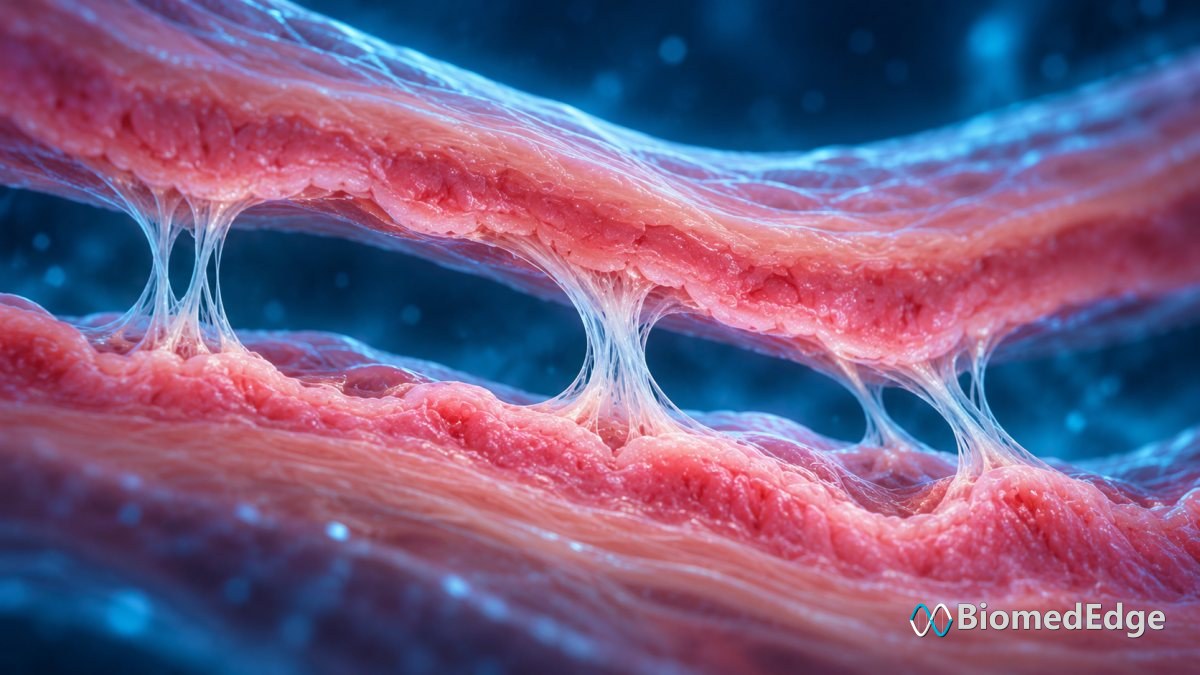
Intrauterine adhesions are bands of fibrous tissue that join the opposing walls of the uterine cavity. They form when the basal layer of the endometrium, the layer that regenerates the lining each month, is damaged. When adhesions cause symptoms such as scanty or absent periods, infertility, recurrent miscarriage or abnormal placentation, the condition is usually called Asherman syndrome.
Most cases follow curettage of the pregnant or recently pregnant uterus. A 2019 review in the International Journal of Women's Health by Eva Dreisler and Jens Joergen Kjer of Rigshospitalet in Copenhagen estimated that more than 90% of cases follow pregnancy-related curettage. Other causes include hysteroscopic surgery, removal of fibroids (myomectomy), resection of a uterine septum and, in some regions, genital tuberculosis.
The standard treatment is hysteroscopic adhesiolysis, in which a surgeon looks into the cavity with a camera and divides the scar bands. The difficulty is what happens next. Two raw, freshly cut surfaces are left lying against each other in a collapsed cavity, which is the same situation that produced the adhesions in the first place. Recurrence is common and rises with severity: in the studies collected in the Dreisler and Kjer review it ranged from about 21-25% for mild disease to around 42% for the most severe grade. Women with severe disease often need repeated operations.
What surgeons use now
Because the core problem is mechanical, most prevention strategies try to keep the walls apart. Surgeons place an intrauterine balloon or a non-hormonal intrauterine device for days or weeks, often combined with oestrogen to encourage the lining to regrow. Others use anti-adhesion gels, mostly based on hyaluronic acid. The evidence for all of these is mixed. The Dreisler and Kjer review found that balloons and intrauterine devices performed similarly in a blinded randomised trial, that studies of hyaluronic acid gel after hysteroscopy were inconsistent, and that oestrogen alone did not prevent adhesions after septum resection. Network meta-analyses published since then have reached similar conclusions: some approaches reduce recurrence, but no single method is clearly best, and most trials are small. Solid devices also bring their own problems, including discomfort, a risk of infection and the need for removal.
How the hydrogel works
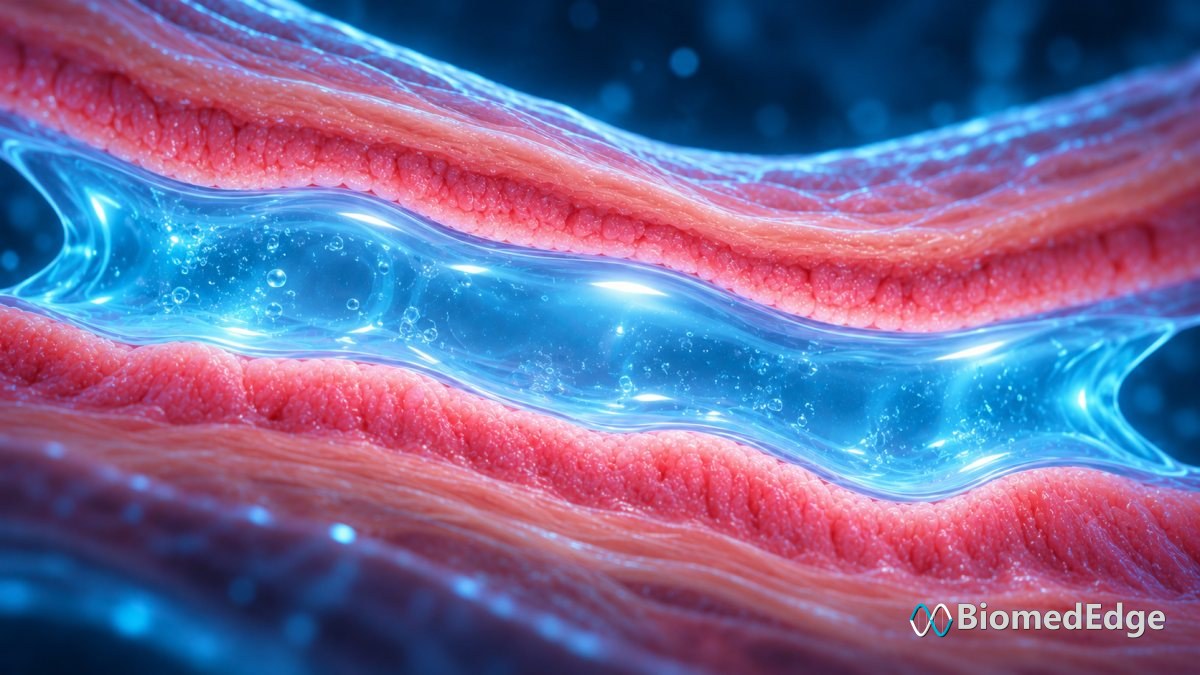
Juveena is delivered as a liquid at the end of the hysteroscopic procedure through a dedicated transcervical catheter, which the FDA approval order names as the Rejoni Acorn Catheter. Once inside, it forms a gel in place, so it takes the shape of the individual cavity rather than imposing a fixed shape, as a balloon does. The gel acts as a temporary spacer between the healing walls.
The ClinicalTrials.gov record for the pivotal study describes the hydrogel as roughly 90% water, with polyethylene glycol (PEG) as its other main component. The label lists known allergy to PEG or to FD&C Blue No. 1 dye as contraindications; the blue dye helps the surgeon see the material. Over about 14 to 21 days the gel softens, liquefies and drains out through the cervix and vagina, so there is nothing to remove.
The timing is the point of the design. The gel is meant to cover the early healing period, when the cut surfaces are most likely to stick together, and then clear without a second procedure. The approach is familiar from other areas of medicine: in situ-forming PEG hydrogels are already used as surgical sealants and as spacers between tissues. Rejoni's founder, Amar Sawhney, previously founded Confluent Surgical, Ocular Therapeutix and Augmenix, companies built around absorbable hydrogel products.
The evidence
The pivotal study (NCT05394662) enrolled 150 women at 15 US centres between August 2022 and April 2025. Participants were premenopausal women having one of two procedures: adhesiolysis of moderate to severe adhesions, or hysteroscopic myomectomy for symptomatic fibroids. They were randomised 2:1, stratified by procedure, to surgery plus Juveena or surgery alone. Neither participants nor outcome assessors knew the allocation.
About eight weeks after surgery, every participant had a second-look hysteroscopy. A blinded central review committee assessed paired videos of the procedures. The primary endpoint was the proportion of women free of adhesions at that visit, and severity was graded with the March classification as a secondary endpoint.
Rejoni reports that the study met its primary endpoint in the overall population. It has not released the adhesion-free rates for that overall population. The figures it has released apply to the narrower group in the approved label, women who had adhesiolysis for symptomatic moderate to severe adhesions:
- Adhesion-free at week 8: 61.5% with Juveena versus 38.2% with surgery alone. The company describes this as a descriptive subgroup analysis.
- Severity at week 8: significantly lower with Juveena on a prespecified secondary endpoint (p=0.001).
- Severe adhesions at week 8: 6.1% with Juveena versus 28.6% with surgery alone.
Arm sizes for this subgroup have not been published. Because the trial randomised 150 women across two procedure types, the adhesiolysis subgroup is necessarily smaller than the full study, and the confidence intervals around these percentages are likely to be wide.
Safety
In the overall safety population, Rejoni reports device-attributed adverse events in 8% of women treated with Juveena. These were uterine spasm, pelvic discomfort, pelvic pain, painful periods and one expulsion of the device. The company says all were non-serious, most were mild or moderate, and all resolved without treatment or with conservative management.
The label contraindicates use in women with haemorrhage, active pelvic infection, a sexually transmitted infection, pregnancy, or allergy to PEG or the blue dye. Patients are advised to avoid pregnancy during the first complete menstrual cycle after treatment. Safety and effectiveness have not been established for hysteroscopic procedures other than adhesiolysis of moderate to severe adhesions, which means the myomectomy patients enrolled in the trial are not part of the approved indication, nor for women undergoing thermal endometrial ablation.
Limitations and open questions
Several points limit how far the current data can be taken.
- Surrogate endpoint. The trial measured adhesions at an eight-week second look. That is a reasonable and objectively assessed endpoint, but it is not what patients ultimately care about. No data on menstrual recovery, pregnancy or live birth have been released. Earlier work on anti-adhesion gels found that reducing adhesions did not always translate into better reproductive outcomes.
- Subgroup figures. The headline numbers for the approved population come from a descriptive subgroup analysis rather than the primary analysis. The overall results and subgroup arm sizes are not yet public.
- Comparator. The control arm received surgery alone. The trial did not compare Juveena with the balloons, intrauterine devices or hyaluronic acid gels that many surgeons already use, so its value relative to current practice is not established.
- Not yet published. The trial has not appeared in a peer-reviewed journal, and the FDA's Summary of Safety and Effectiveness Data was not yet posted on the agency's PMA database at the time of writing. Most of the efficacy and safety figures above are company-reported.
The FDA's PMA record lists two post-approval studies tied to the pivotal trial, both with protocols still pending. Their design has not been disclosed.
What to watch
- Publication of the pivotal trial, including the overall results, the subgroup arm sizes and confidence intervals.
- The FDA's Summary of Safety and Effectiveness Data, which usually gives a fuller account of the evidence the agency reviewed.
- The design of the two post-approval studies, and whether either collects menstrual, pregnancy or live-birth outcomes.
- Coverage and payment. Rejoni says procedures may be reported under CPT Category III code 0990T, a tracking code that does not guarantee reimbursement, and it has set up a patient access programme.
- Head-to-head comparisons with balloons, intrauterine devices or hyaluronic acid gels, which would show whether a conforming, self-clearing spacer improves on the methods already in use.
For a condition in which recurrence after surgery is common and the evidence for existing preventive measures is thin, a randomised, evaluator-blinded trial with central review is a stronger evidence base than much of what has come before. How much the hydrogel changes outcomes that matter to patients, especially fertility, is a question the published data will need to answer.
This article is for information only and is not medical advice. Treatment decisions should be made with a qualified clinician.
Sources: US FDA PMA database (P250051); Rejoni via BioSpace; ClinicalTrials.gov (NCT05394662); Dreisler and Kjer, International Journal of Women's Health (2019); Femtech Insider
What did you think of this article?
Found this helpful? Share it!
Comments (0)
Leave a Comment
Be the first to comment!